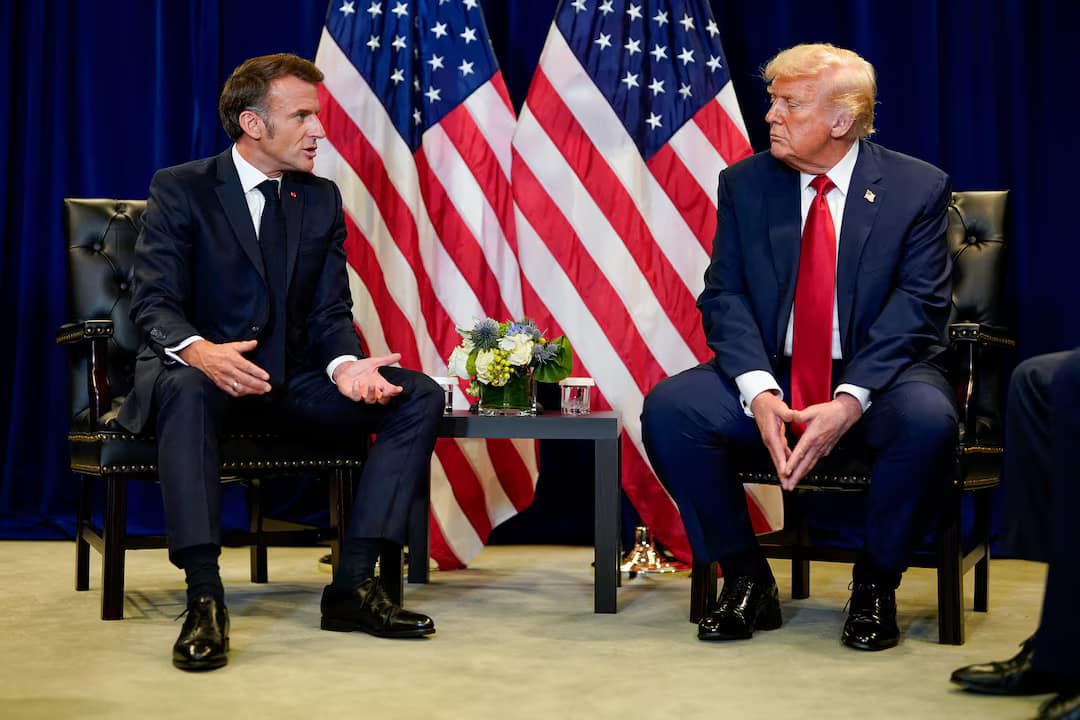
What Is Trump’s Board of Peace and Who Has Joined So Far?
U.S. President Donald Trump’s Board of Peace has quickly become one of the most talked-about diplomatic initiatives of 2026. Launched with the promise of tackling the world’s most entrenched conflicts, this new international body — branded by Trump as a fresh path to global stability — is drawing both support and skepticism from governments, diplomats, and analysts around the world.
At its core, Trump’s Board of Peace is a multinational council proposed to address global conflicts, beginning with the devastating war in Gaza but with ambitions to extend its reach well beyond the Middle East. Trump envisions this initiative as a proactive peace-making body that could, in his words, complement or even rival long-standing institutions like the United Nations.
The Origins and Purpose of the Board of Peace
The idea for Trump’s Board of Peace first emerged in late 2025 when Trump outlined a comprehensive plan to end the Gaza war following years of conflict. Under this vision, the board would serve not just to resolve the Gaza crisis, but to become a broader forum for worldwide conflict resolution.
Trump, who remains the board’s inaugural chairman, has described Trump’s Board of Peace as a “new era of global cooperation,” though critics argue it closely reflects his own worldview and leadership style. The board’s official charter — drafted in Washington — tasks member states with promoting peace, supporting post-war reconstruction, and mediating disputes globally.
One unique feature of Trump’s Board of Peace is its membership structure: countries that commit to a standard member term of three years can participate, but permanent membership — with voting and governance privileges — requires an optional contribution of $1 billion. This has raised both curiosity and concern at diplomatic tables worldwide.
Who Has Joined Trump’s Board of Peace So Far
As of January 21, about 35 world leaders have accepted invitations to join Trump’s Board of Peace, according to senior U.S. officials.
Many of the early supporters come from the Middle East and other regions where Washington has strong ties:
- Saudi Arabia
- Turkey
- Egypt
- Jordan
- Qatar
- United Arab Emirates (UAE)
- Pakistan
- Indonesia
These countries have publicly signaled their participation, demonstrating a broad spectrum of regional interests backing Trump’s initiative.
In addition to them, nations such as Morocco, Uzbekistan, Kazakhstan, Vietnam, Kosovo, and Paraguay have also agreed to join the peace body. Some of these memberships have surprised observers, particularly where diplomatic relations with Washington were previously more distant.
An especially controversial acceptance comes from Belarusian President Alexander Lukashenko, a figure long criticized over human rights concerns. His inclusion underscores that Trump’s Board of Peace is attracting some unexpected — and polarizing — participants.
Notable Leaders and Invitations
Not just governments: prominent leaders are shaping the board’s early profile. Israeli Prime Minister Benjamin Netanyahu has agreed to participate despite earlier hesitations, signaling significant regional cooperation given Israel’s central role in the Gaza conflict.
Trump has also extended invitations to other major world figures, including Russian President Vladimir Putin and China’s leadership. Trump claimed Putin had accepted his invite, but Moscow later clarified that the invitation is still being considered. China has acknowledged receiving an invitation but hasn’t confirmed joining Trump’s Board of Peace. (Reuters)
Who Has Declined or Stayed Cautious
Not all invitations have been welcomed with open arms.
Several traditional U.S. allies in Europe have been cautious or outright declined to participate in Trump’s Board of Peace:
- France, citing concerns about undermining existing global institutions.
- Norway and Sweden, both of which have passed on joining.
- Italy, where officials expressed constitutional questions about participation.
Other key players such as Germany, Japan, and the United Kingdom have yet to make firm decisions or publicly commit to joining. Canada has said it is considering terms but has not finalized its position.
Controversies and Global Reaction
While its supporters praise Trump’s Board of Peace as a much-needed initiative to resolve war, critics warn that it could weaken or sideline existing international institutions.
One central concern is whether the board could undermine the role of the United Nations, especially since the U.N. Security Council initially authorized the board’s involvement in Gaza only through 2027 and strictly for that conflict. Beyond that, the board’s authority and how it would operate with other international bodies remains unclear.
These tensions were evident during international meetings, including the World Economic Forum in Davos, where diplomats openly questioned the board’s mandate and its long-term goals.
What Comes Next for the Board of Peace?
As Trump’s Board of Peace transitions from a diplomatic concept into a functioning body, its real impact will depend on who fully commits — and how members balance their own foreign policy interests with the board’s ambitions. The coming weeks will be critical, especially as follow-up meetings and signing ceremonies are expected in global forums like Davos and beyond.
In summary, Trump’s Board of Peace represents a bold, controversial attempt to reshape international peace efforts. Its success — or failure — will likely influence global diplomacy for years to come.
Leave a Reply