India-Oman Free Trade Agreement: Unlocking New Trade Opportunities
India-Oman Free Trade Agreement: A New Era of Economic Partnership
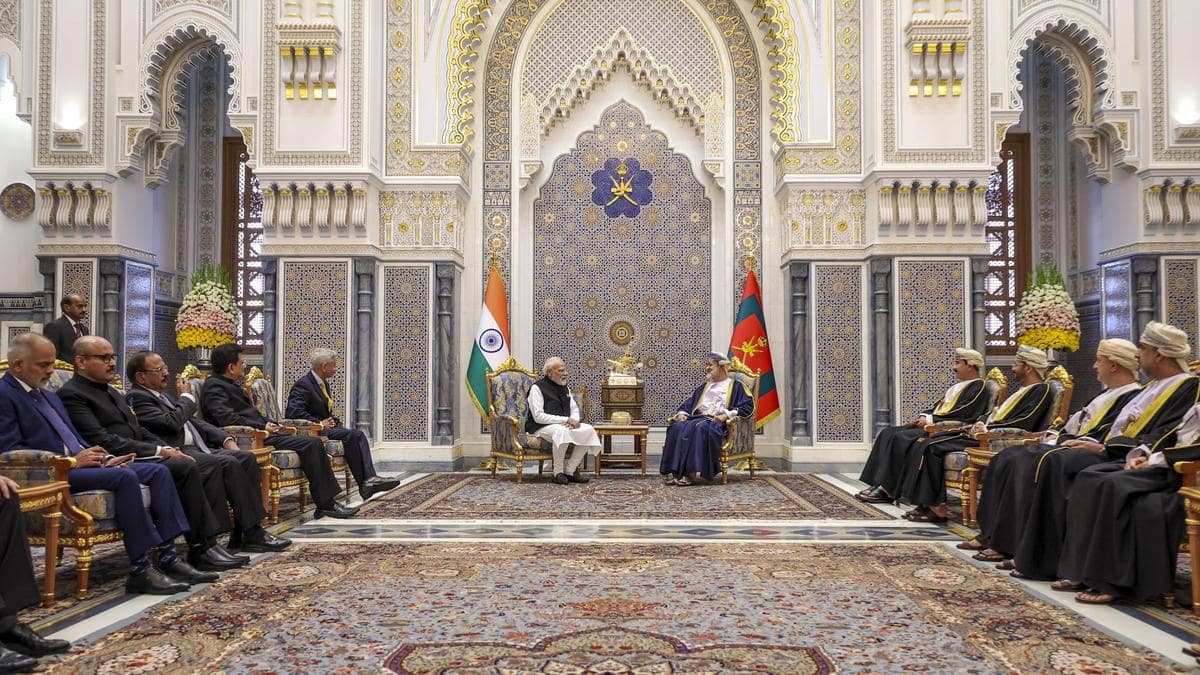
The signing of the India-Oman Free Trade Agreement marks a historic milestone in strengthening bilateral relations between the two nations. This landmark deal, officially termed as the Comprehensive Economic Partnership Agreement (CEPA), was signed in Muscat in December 2025 in the presence of Prime Minister Narendra Modi and Sultan Haitham bin Tarik. With duty-free access to nearly all major Indian exports and reduced tariffs on Omani goods, the agreement is expected to reshape trade dynamics across the Gulf region and beyond.
What the India-Oman Free Trade Agreement Means for India
The India-Oman Free Trade Agreement provides duty-free access to 98% of India’s exports to Oman. This includes textiles, agriculture, leather goods, gems and jewellery, pharmaceuticals, engineering products, and automobiles. For India, this is a significant breakthrough, especially at a time when its exports face steep tariffs in other markets such as the United States.
- Labour-intensive sectors like textiles, footwear, and sports goods will benefit from immediate tariff elimination.
- Sensitive products such as dairy, tea, coffee, rubber, tobacco, gold, and silver have been excluded to safeguard domestic interests.
- Indian companies will also enjoy 100% Foreign Direct Investment (FDI) opportunities in Oman’s services sector, opening doors for expansion in healthcare, education, IT, and professional services.
This agreement is not just about goods—it also enhances India’s footprint in Oman’s services market, which is valued at over $12 billion but where India currently holds only a 5% share.
Benefits for Oman Under the Free Trade Pact
The India-Oman Free Trade Agreement is equally beneficial for Oman. India has agreed to reduce tariffs on Omani exports such as dates, marbles, and petrochemical products. For Oman, this creates new opportunities to expand its market presence in India.
Key Highlights for Oman:
- Tariff-rate quotas (TRQs) will allow controlled but liberalized access for sensitive Omani products.
- Enhanced mobility for professionals: Oman has agreed to increase quotas for intra-corporate transferees from 20% to 50%.
- Longer stay durations for contractual service suppliers—from 90 days to two years, with possible extensions.
This mobility framework is a game-changer, allowing skilled professionals in sectors like accountancy, taxation, architecture, and medical services to work seamlessly across both countries.
Strategic Importance of the India-Oman Free Trade Agreement
The India-Oman Free Trade Agreement is more than just a trade deal—it is a strategic partnership. Oman serves as a gateway for Indian goods and services to the wider Middle East and Africa. With nearly seven lakh Indian nationals residing in Oman and annual remittances of about $2 billion flowing back to India, the pact strengthens people-to-people ties as well.
- India-Oman bilateral trade stood at $10.5 billion in 2024-25, with India exporting $4 billion worth of goods and importing $6.54 billion.
- Over 6,000 Indian enterprises already operate in Oman, and this agreement will further boost their presence.
- Oman has invested $615 million in India between 2000 and 2025, and the new pact is expected to accelerate investment flows in both directions.
India’s Broader Trade Strategy
The India-Oman Free Trade Agreement is part of India’s larger strategy to sign trade deals with economies that complement its labour-intensive industries rather than compete with them.
- Earlier in 2025, India signed a trade pact with the UK.
- In 2022, India implemented a similar agreement with the UAE.
- Talks with Qatar are expected to begin soon, while other GCC members like Bahrain, Kuwait, and Saudi Arabia remain potential partners.
By focusing on Gulf Cooperation Council (GCC) countries, India is positioning itself as a key player in the Middle East trade corridor.
Conclusion: A Win-Win for Both Nations
The India-Oman Free Trade Agreement is a landmark step that promises to reshape economic relations between the two countries. For India, it opens up new markets for its labour-intensive exports and services sector. For Oman, it ensures greater access to Indian markets and skilled professionals.
This agreement is not just about reducing tariffs—it is about building a strategic partnership that will drive growth, investment, and innovation across both nations. As Prime Minister Modi highlighted, this pact will give “new energy to bilateral relations” and set the stage for deeper cooperation in the years ahead.
Click here for more updates: Gold and Silver Rates