US–Pakistan F‑16 Upgrade Deal: Why It Matters for India and South Asia
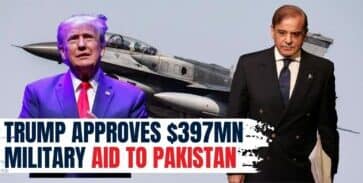
Why the US–Pakistan F‑16 Upgrade Deal Matters for India and South Asia
The recent decision by the United States to approve an upgrade package for Pakistan’s fleet of F‑16 fighter jets has sparked widespread debate across South Asia. While Washington insists the deal is aimed at strengthening Pakistan’s counter‑terrorism capabilities, many in India view it as a move that could alter the regional security balance.
This development is not just about military hardware. It carries strategic, political, and diplomatic implications that ripple across the subcontinent.
US–Pakistan F‑16 Upgrade: What It Means
Pakistan has long relied on its fleet of F‑16s as the backbone of its air force. The new US package includes technical upgrades, spare parts, and maintenance support. According to American officials, the goal is to ensure Pakistan can continue using these aircraft effectively in operations against terrorist groups.
However, the timing and nature of the deal raise questions. For India, the concern is that these upgrades could enhance Pakistan’s combat readiness against conventional threats, not just terrorism.
India’s Concerns
India has consistently opposed US military assistance to Pakistan, arguing that such support indirectly strengthens Pakistan’s military posture against India.
- Strategic Balance: India fears that upgraded F‑16s could give Pakistan an edge in aerial combat scenarios.
- Historical Context: The memory of the 2019 Balakot airstrike and subsequent dogfight, where Pakistan deployed F‑16s, still lingers.
- Diplomatic Signals: New Delhi worries that Washington’s move could be interpreted as renewed US support for Pakistan, despite India’s growing partnership with the US in defense and technology.
For Indian policymakers, the deal is not just about jets—it’s about trust and alignment in the broader Indo‑Pacific strategy.
The US Perspective
From Washington’s standpoint, the F‑16 upgrade is framed as a counter‑terrorism measure. The US argues that Pakistan needs a functional air force to combat extremist groups operating within its borders.
Officials also stress that the deal does not involve new aircraft or weapons systems, but rather maintenance and sustainment of existing ones. In their view, this does not alter the regional military balance.
Yet, critics point out that Pakistan has historically used its F‑16s in conflicts with India, raising doubts about whether the jets will be restricted to counter‑terrorism missions.
Regional Implications
The deal has broader consequences for South Asia:
- India–US Relations: The move could create friction in the growing strategic partnership between New Delhi and Washington, particularly in defense cooperation.
- Pakistan’s Position: For Islamabad, the upgrade is a diplomatic win, signaling continued relevance in Washington’s security calculus.
- China Factor: Analysts note that Pakistan’s deepening ties with China make US support even more significant, as it prevents Islamabad from relying solely on Beijing for military assistance.
- South Asian Security: The deal may embolden Pakistan’s military establishment, potentially complicating peace efforts in the region.
Why It Matters for India
India’s defense planners are likely to respond by accelerating indigenous fighter programs and deepening defense ties with allies like France (Rafale jets) and Russia (Su‑30 MKIs).
The deal also underscores the importance of India’s push for self‑reliance in defense manufacturing. By reducing dependence on foreign suppliers, India aims to ensure that its security is not vulnerable to external diplomatic shifts.
Key Takeaways
- The US has approved an upgrade package for Pakistan’s F‑16 fleet.
- Washington insists the deal is aimed at counter‑terrorism, not altering regional balance.
- India fears the upgrades could strengthen Pakistan’s military posture against it.
- The deal has implications for India–US relations, Pakistan’s diplomacy, and South Asian security.
- India may respond by boosting indigenous defense programs and diversifying partnerships.
The US–Pakistan F‑16 upgrade deal is more than a technical arrangement. It is a strategic signal with far‑reaching consequences for India and South Asia. While Washington frames it as a counter‑terrorism measure, New Delhi sees it as a potential challenge to regional stability.
As the geopolitical landscape evolves, India’s response will likely focus on strengthening its own defense capabilities and reinforcing alliances. In the end, the deal highlights the delicate balance of power in South Asia — where every move in military cooperation carries weight far beyond the battlefield.